Ethical Research Practices w/Dr. Tim Regnault, Dr. Trevor Bieber and Nicola Geoghegan-Morphet
Course Overview
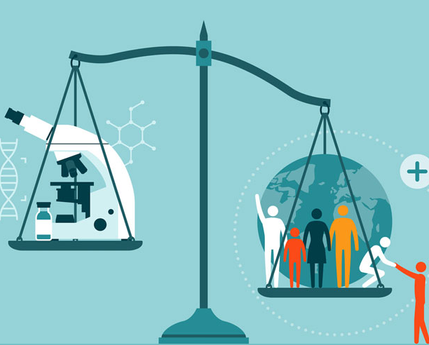
With the constant advancement of research technology, unprecedented moral and ethical concerns are surfacing.
Who owns medical and genetic data? What rights do animals have? What are the ethical implications of human
cloning? This course will aim to demonstrate that research excellence is not possible without ethical principles.
Students will apply ethical principles to discussions and analyses of basic science and clinical research. Students will review ethical issues and policies addressed by ethics committees to increase their competence in addressing ethical questions. Students will also review various approaches to addressing ethical challenges within the regulatory framework of research. Cases of animal and human ethics will be used so that students will provide an interpretation, discussion, and recommendations about the scenario
Assignment Highlights
1. Communication Director Piece
In preparing this briefing note, I prioritized sourcing information from reputable, evidence-based outlets, including government policy documents, international regulatory agencies, peer-reviewed literature, and established scientific organizations such as the NIH, NC3Rs, and Clarivate. I also intentionally incorporated Canadian examples, including BenchSci, to ensure that the arguments were grounded in both international best practices and domestic innovation. Drawing from authoritative sources strengthened the credibility of each position and ensured the briefing was appropriate for a policy-focused audience. During the drafting process, I became aware of an initial bias toward emphasizing the benefits of the proposed research facility, as much of the existing literature strongly supports innovation, translational efficiency, and global competitiveness. Recognizing this, I made a deliberate effort to seek out and address counterarguments commonly raised by community members and stakeholders, including concerns related to funding priorities, data privacy, and participant protection. This allowed the briefing note to reflect not only scientific optimism but also ethical, economic, and societal considerations. To mitigate bias, I structured the document so that each position—both supportive and critical—was presented clearly and paired with an evidence-based government response. Rather than dismissing opposing views, this approach acknowledged their legitimacy while demonstrating how the proposed facility would address these concerns through regulatory compliance, ethical oversight, and transparency. Overall, this process strengthened my ability to communicate complex scientific and ethical issues in a balanced, policy-relevant manner and reinforced the importance of accountability and trust in science-informed decision-making.
2. Animal Ethics Blog
The question of whether animals should be used in medical research occupies a persistent ethical grey area. While public opinions on this topic vary widely, particularly among those outside of the scientific community, my own position is that animals can be used in research, but only under clearly defined and strictly enforced ethical conditions.
For those who share this view, the justification often rests on the existence of comprehensive regulatory frameworks designed to protect animal welfare. In Ontario, the Animals for Research Act administered by OMAFA outlines detailed requirements governing animal housing, species separation, and the mandatory use of anesthesia and analgesics when procedures may cause pain. The Act also establishes the responsibilities of Animal Care Committees, which are tasked with oversight and enforcement to ensure compliance (Ontario Government, 2025). These regulations reflect an institutional recognition that animal research carries moral responsibility alongside scientific benefit.
Engaging with these regulations resonated strongly with my own experiences as an undergraduate research assistant, where I worked with swine models until May of this year. Pigs were selected for this work because their gut microbiomes closely resemble those of humans, making them an appropriate model for research on improving fecal microbiota transplantation (FMT). Although the animals were ultimately sacrificed, they were housed in appropriate conditions and received proper anesthesia and analgesia throughout the study. Knowing that the laboratory operated in full compliance with OMAFA regulations helped mitigate the ethical discomfort that can accompany animal research and reinforced the importance of institutional accountability.
That said, I am also aware that ethical standards are not uniformly upheld across all research settings. This reality underscores why mechanisms such as annual renewal of Animal Use Protocols (AUPs), routine inspections, and active oversight by animal care teams are essential (Western University, 2024). These safeguards are not bureaucratic formalities; rather, they function as critical checks that protect animal welfare while allowing scientifically and medically meaningful research to proceed.Ultimately, I believe that ethical animal research depends not on the absence of harm, but on intentional harm reduction, transparency, and accountability. When conducted responsibly, animal research can coexist with respect for animal dignity while contributing to advances that meaningfully improve human health.
This course prompted me to actively change how I approach research ethics in practice. Rather than treating ethics as a procedural requirement, I applied ethical frameworks directly to research design through tasks like drafting a Letter of Information and engaging with the REB process. These experiences pushed me to communicate research goals transparently, anticipate participant concerns, and consider how power, consent, and risk are experienced from the participant’s perspective. As a result, I now approach research planning more deliberately—embedding ethical reasoning into study design, communication, and decision-making from the outset. This shift has strengthened my ability to conduct research that is not only methodologically sound, but also respectful, accountable, and socially responsible.